Posts

Orthodontics for Kids with Special Needs: Tailored Care for Every Smile

Image
  Every child deserves a healthy, confident smile—especially children with special needs, who may require extra attention and unique approaches to their dental and orthodontic care. Orthodontics for kids with special needs is not just about straightening teeth; it’s about creating a positive, supportive experience that prioritizes comfort, safety, and individualized treatment. Understanding Special Needs in Orthodontic Care Special needs can include a wide range of physical, developmental, behavioral, or medical conditions, such as autism spectrum disorder, Down syndrome, cerebral palsy, or sensory processing challenges. These conditions may affect how a child responds to dental visits, their ability to tolerate certain procedures, or their oral health in general. Why Orthodontics May Be Needed Children with special needs may experience dental crowding, misaligned bites, or other orthodontic concerns just like any other child. In some cases, their medical conditions may make these...
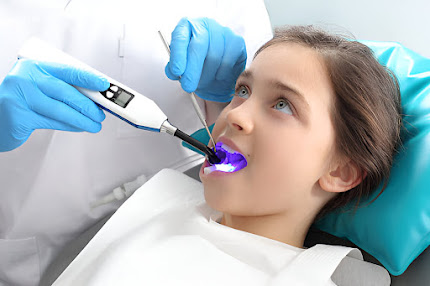
Why Dental Sealants Are Important for Kids

Image
  A Smart Start to Cavity Prevention Tooth decay is one of the most common dental issues among children, but it’s also one of the most preventable. One of the easiest and most effective ways to reduce the risk of cavities is through sealants for teeth , a protective coating applied to the chewing surfaces of molars. These back teeth have deep grooves that are hard to clean with regular brushing, making them more vulnerable to plaque buildup and decay. How Sealants Work Sealants are thin, plastic coatings that act as a shield over the enamel of each molar. They prevent food particles and bacteria from settling into the grooves of the teeth where decay typically starts. When applied soon after a child’s permanent molars erupt—around ages 6 and 12—sealants can help protect those teeth during the most cavity-prone years. Benefits of Dental Sealants for Children The biggest advantage of sealants is their ability to prevent cavities before they start. Studies show that sealants can redu...

When Should Your Child Start Fluoride Treatment?

Image
  Starting Early for a Stronger Smile Fluoride is a natural mineral that plays a key role in strengthening tooth enamel and preventing tooth decay. For children, starting dental fluoride treatment at the right age can significantly reduce their risk of cavities and promote healthy dental development. According to the American Dental Association (ADA), children can benefit from fluoride as soon as their first tooth appears, usually around six months of age. Why Early Fluoride Matters Baby teeth may be temporary, but they are crucial for speech development, proper chewing, and guiding permanent teeth into place. These teeth are more prone to cavities because of thinner enamel and children’s unpredictable brushing habits. Fluoride helps protect young teeth by making the enamel more resistant to acid attacks caused by plaque and sugars. It can also reverse the earliest stages of tooth decay, preventing the need for more complex dental procedures. Sources of Fluoride There are two main...

At What Age Should Children Get Dental Sealants?

Image
  Tooth decay is one of the most common childhood dental problems, but the good news is—it’s largely preventable. One of the most effective ways to protect your child’s teeth is through dental sealant treatment , a simple and painless procedure that helps prevent cavities. Sealants act as a protective barrier, covering the chewing surfaces of the back teeth (molars) where decay is most likely to occur. Ideal Age for Dental Sealants Dental professionals recommend that children receive sealants as soon as their permanent molars come in. This usually occurs around age 6 for the first set of molars, and around age 12 for the second set. Applying sealants early, right after the teeth erupt, ensures they are protected before cavities have a chance to form. In some cases, a dentist may also recommend sealants for baby teeth if a child is particularly cavity-prone or has deep grooves in their teeth. Why So Early? Newly erupted teeth are more vulnerable to decay. Children may also struggle ...

Laser Therapy for Gum Disease: Is It Effective?

Image
Gum disease is a common yet serious condition that can affect both children and adults. If left untreated, it can lead to gum recession, bone loss, and even tooth loss. In recent years, Laser Therapy for Gum Disease has gained popularity as a modern, minimally invasive treatment option. This advanced technique offers promising results for managing gum infections with less discomfort and faster recovery. How Laser Therapy Works Laser therapy involves using focused beams of light energy to remove infected tissue and bacteria from the gums. The laser can precisely target diseased areas without affecting healthy gum tissue, making the procedure both safe and effective. It also helps stimulate the regeneration of gum and bone tissues, promoting quicker healing. The process typically involves cleaning the pockets between the teeth and gums, then using the laser to sterilize the area. This helps eliminate harmful bacteria and supports the body’s natural healing response. Since no scalpel or ...

Porcelain Veneers for Kids with Discoloured Teeth

Image
Tooth discoloration in children can be a cause of concern for both parents and kids. Discoloration may result from genetics, enamel defects, medication use, or trauma to the tooth. While whitening treatments are common, they may not always be suitable for younger patients. In such cases, porcelain veneers for kids can be an effective and safe cosmetic solution to restore the natural look of their smile. Why Do Kids Experience Tooth Discoloration? Discoloration in children's teeth can occur for several reasons. Some children are born with enamel hypoplasia, which makes their enamel weak and discolored. Others may experience stains due to early exposure to tetracycline antibiotics, excess fluoride, or trauma that affects the blood supply to the tooth. Regardless of the cause, visible stains can impact a child’s self-confidence, especially in social or school settings. How Porcelain Veneers Help Porcelain veneers are thin shells made of high-quality ceramic material that are bonded t...

Are Clear Aligners Safe for Children?

Image
Clear aligners have become a popular alternative to traditional braces for straightening teeth. Parents often wonder if these transparent trays are a safe and effective choice for their kids. The good news is that Clear Aligners for Children can be a safe option when prescribed and monitored by an experienced orthodontist. How Do Clear Aligners Work? Clear aligners are custom-made plastic trays that gently move teeth into their ideal positions over time. Children wear a series of aligners, each slightly different from the last, which gradually shift their teeth. Aligners must be worn 20–22 hours per day and only removed while eating or brushing. Aligners are especially appealing for kids who are self-conscious about their appearance, as they are nearly invisible and don’t involve metal brackets or wires. They also make oral hygiene easier, since children can remove the aligners to brush and floss normally. Are They Suitable for All Children? While clear aligners are safe, they may not...